

Manitoba's Social Media Ban: A Bold Move with Far-Reaching Consequences
Manitoba's proposed ban on social media and AI chatbots for kids sparks a national debate on tech regulation, youth protection, and the role of government in...
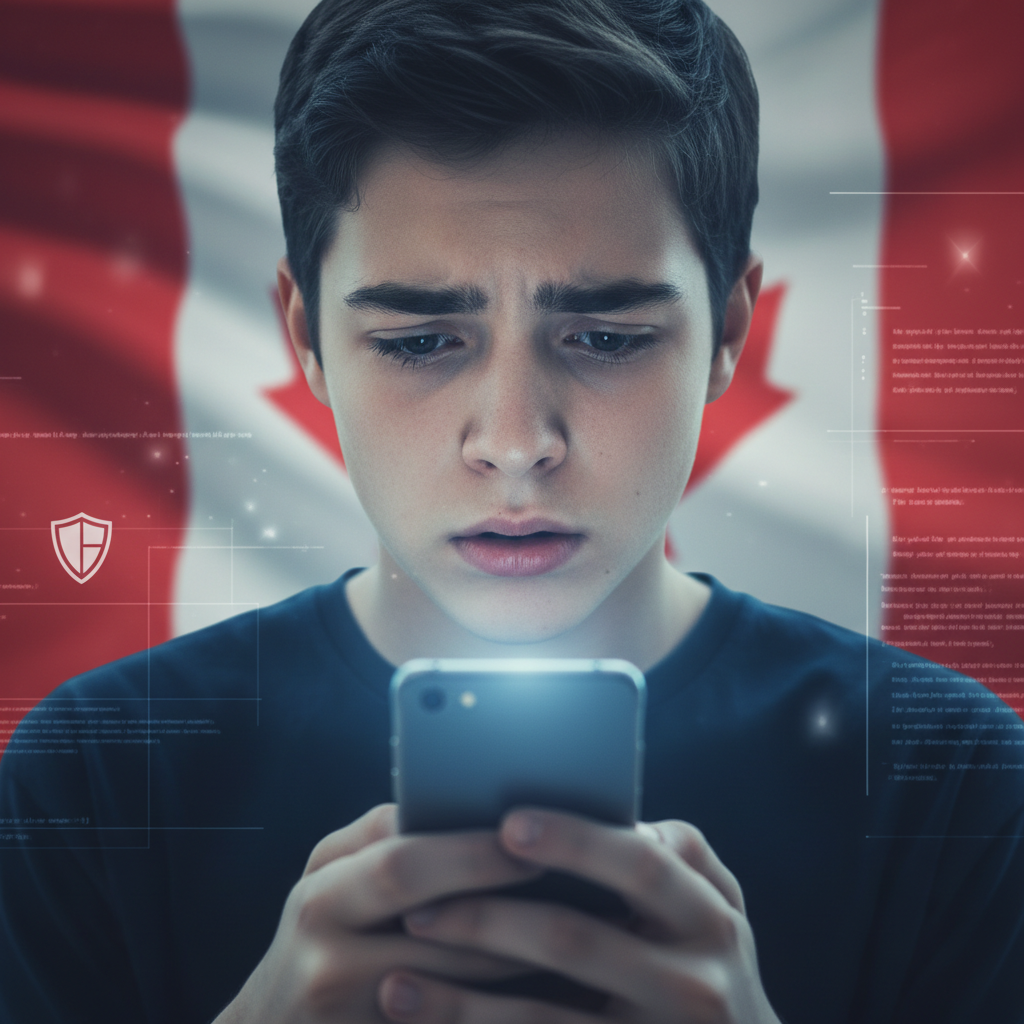
The recent announcement by Manitoba's premier, Wab Kinew, to ban social media and AI chatbots for kids in the province has sent shockwaves throughout the tech industry and beyond. This move, if successful, would make Manitoba the first province in Canada to implement such a ban, and it raises important questions about the role of government in regulating online experiences, particularly for youth. To understand the significance of this proposal, it's essential to examine the historical context that led to this point.
Historical Context: A Growing Concern
Over the past five years, concerns about the impact of social media on children's mental health, privacy, and online safety have grown exponentially. In 2018, the Canadian government launched a national consultation on digital transformation, which highlighted the need for greater regulation of online platforms. Since then, there have been numerous studies, reports, and proposals aimed at addressing these concerns. Manitoba's ban can be seen as a culmination of these efforts, with the province taking a proactive approach to protecting its youth from the potential harms of social media and AI-powered technologies.
Competitive Implications: A Shift in the Tech Landscape
The proposed ban will undoubtedly have significant implications for tech companies operating in Manitoba, particularly those that rely heavily on social media and AI-driven engagement. Companies like Meta, Twitter, and TikTok will need to reassess their strategies for complying with the new regulations, which could lead to a shift in their business models. This move may also create opportunities for alternative platforms that prioritize youth safety and well-being, such as those using blockchain-based technologies or decentralized social networks. As the tech landscape continues to evolve, Manitoba's ban could serve as a catalyst for innovation in this space.
Technical Deep Dive: The Challenges of Enforcement
Implementing a ban on social media and AI chatbots for kids will require significant technical efforts to enforce. The province will need to develop and deploy robust age verification systems, which could involve partnerships with tech companies, schools, and other stakeholders. Additionally, the ban will need to be enforced across various platforms, including mobile devices, computers, and gaming consoles. This will require cooperation from device manufacturers, internet service providers, and app developers to ensure that the ban is effective. From a technical standpoint, the use of AI-powered tools to monitor and regulate online activity will be crucial in enforcing the ban, but it also raises concerns about privacy, surveillance, and the potential for over-reliance on technology to solve complex social issues.
Contrarian Take: The Unintended Consequences of a Ban
While the intention behind the ban is to protect children from the potential harms of social media and AI chatbots, there are potential unintended consequences that need to be considered. A ban could drive youth to seek out alternative, unregulated platforms, which could be even more harmful. Furthermore, the ban may also limit access to online resources, support networks, and educational content that are essential for children's development and well-being. It's essential to consider these potential consequences and develop a nuanced approach that balances protection with education and empowerment.
Forward-Looking Predictions: A New Era of Tech Regulation
Manitoba's proposed ban on social media and AI chatbots for kids marks the beginning of a new era in tech regulation. As other provinces and countries consider similar measures, we can expect to see a significant shift in the way tech companies operate and the way governments regulate online experiences. In the next 12-18 months, we predict that there will be a surge in investment in alternative platforms and technologies that prioritize youth safety and well-being. We also expect to see increased cooperation between tech companies, governments, and civil society organizations to develop and implement effective regulations that balance protection with innovation. Ultimately, Manitoba's ban will serve as a catalyst for a broader conversation about the role of technology in shaping our lives and the need for responsible innovation that prioritizes human well-being above all else.