

NASA's Artemis II Success: A New Era for Space Exploration
NASA's Artemis II mission marks a significant milestone in space exploration, but what does it mean for the future of space travel and the companies involved...
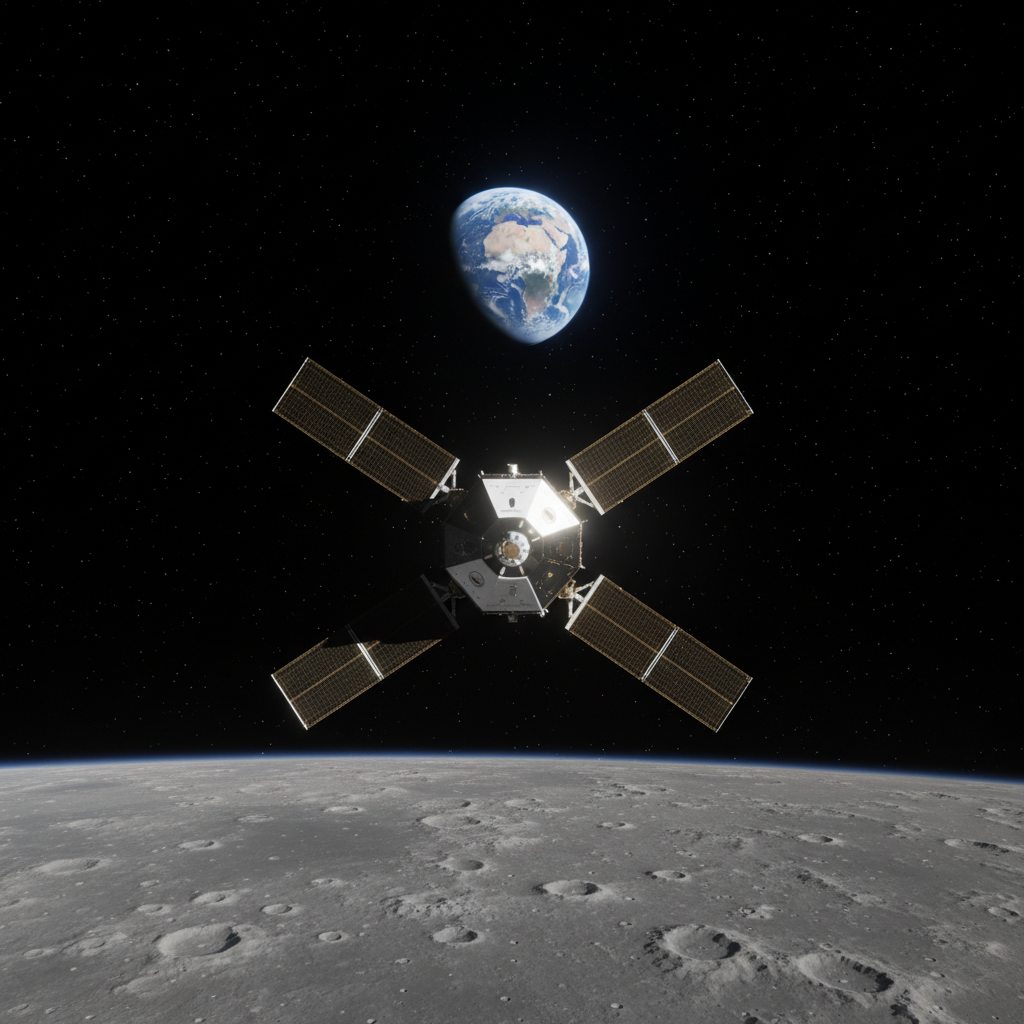
NASA's successful completion of the Artemis II mission earlier this month has sent shockwaves throughout the space industry, with many hailing it as a major breakthrough in the pursuit of lunar exploration. As the world's premier space agency, NASA's achievements have a profound impact on the global space landscape, influencing the strategies of private companies and governments alike. In this article, we will examine the historical context leading up to Artemis II, the competitive implications of this mission, and the potential second-order effects on the space industry.
Historical Context: A Decade of Preparation
The Artemis II mission is the culmination of years of planning and development, dating back to the Obama administration's announcement of the Space Launch System (SLS) program in 2010. The SLS, a heavy-lift rocket designed to carry astronauts and cargo on deep space missions, has undergone numerous delays and budget overruns, with initial estimates suggesting a 2016 launch date. However, the program persisted, and in 2019, NASA announced the Artemis program, a lunar exploration initiative aimed at returning humans to the moon by 2024. The successful completion of Artemis II marks a significant milestone in this endeavor, demonstrating the capabilities of the SLS and the Orion spacecraft.
Competitive Analysis: Private Companies in the Mix
The success of Artemis II has significant implications for private space companies, such as SpaceX and Blue Origin, which are also vying for a presence in the lunar market. SpaceX, in particular, has been making rapid strides in its Starship program, with the company aiming to send both crewed and uncrewed missions to the moon in the near future. The Artemis II mission demonstrates NASA's commitment to lunar exploration, but it also raises questions about the role of private companies in this endeavor. Will NASA continue to rely on its traditional contractors, or will it open up opportunities for private companies to participate in future missions? The answer to this question will have far-reaching consequences for the space industry, with private companies potentially benefiting from NASA's investment in lunar infrastructure.
Second-Order Effects: A New Era for Space Exploration
The success of Artemis II will have a ripple effect throughout the space industry, driving innovation and investment in space technology. As NASA pushes the boundaries of lunar exploration, private companies will be incentivized to develop new technologies and capabilities, such as advanced life support systems, in-situ resource utilization, and lunar landing craft. This, in turn, will create new opportunities for space agencies and private companies to collaborate on future missions, driving down costs and increasing efficiency. Furthermore, the Artemis II mission demonstrates the potential for international cooperation in space exploration, with NASA's partners, including the European Space Agency and the Canadian Space Agency, playing critical roles in the mission. As the space industry continues to evolve, we can expect to see more collaboration and cooperation between space agencies and private companies, driving a new era of space exploration and development.
Technical Deep Dive: The Orion Spacecraft
The Orion spacecraft, which carried the four astronauts on the Artemis II mission, is a marvel of modern engineering, featuring advanced life support systems, navigation, and communication technologies. The spacecraft's service module, provided by the European Space Agency, is equipped with a state-of-the-art propulsion system, allowing for precise trajectory control and maneuvering. The Orion spacecraft also features a advanced heat shield, designed to protect the crew from the intense heat generated during re-entry into Earth's atmosphere. As NASA continues to develop and refine the Orion spacecraft, we can expect to see significant improvements in its capabilities, enabling longer-duration missions and more complex operations on the lunar surface.
Builder Perspective: Opportunities for Private Companies
So, what does the success of Artemis II mean for private companies looking to participate in the lunar market? The answer lies in the development of new technologies and capabilities, such as lunar landing craft, in-situ resource utilization, and advanced life support systems. Private companies, such as SpaceX and Blue Origin, are already investing heavily in these areas, with the potential for significant returns on investment. As NASA continues to push the boundaries of lunar exploration, private companies will have opportunities to collaborate with the agency, providing critical technologies and capabilities for future missions. Furthermore, the success of Artemis II demonstrates the potential for private companies to develop and operate their own lunar missions, potentially disrupting the traditional space industry paradigm.
Forward-Looking Predictions
As we look to the future, it is clear that the success of Artemis II marks a significant turning point in the pursuit of lunar exploration. Over the next decade, we can expect to see a surge in investment and innovation in space technology, driving down costs and increasing efficiency. Private companies, such as SpaceX and Blue Origin, will play a critical role in this endeavor, developing new technologies and capabilities that will enable longer-duration missions and more complex operations on the lunar surface. Furthermore, we can expect to see increased international cooperation in space exploration, with NASA's partners playing critical roles in future missions. By 2027, we predict that NASA will have established a sustainable presence on the lunar surface, with private companies providing critical technologies and capabilities for the agency's missions. By 2030, we expect to see the first private lunar missions, potentially disrupting the traditional space industry paradigm and ushering in a new era of space exploration and development.