

Porsche's Electric Power Play
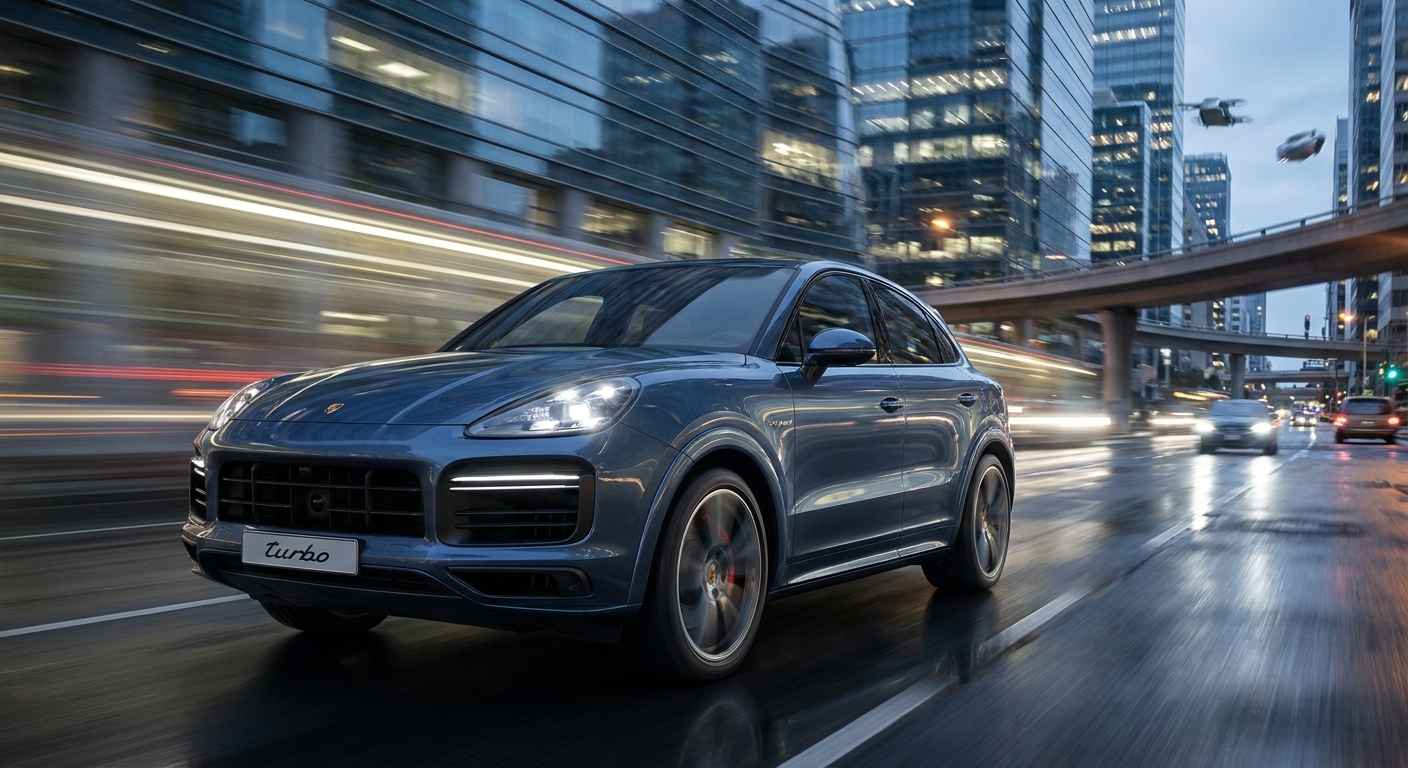
Porsche's announcement of the Cayenne Turbo Coupé Electric, capable of accelerating from 0-60 mph in a blistering 2.5 seconds, marks a significant milestone in the luxury electric vehicle (EV) market. This move is not just about Porsche expanding its EV lineup, but also about the company's strategic positioning in a rapidly evolving market. To understand the implications of this launch, it's essential to examine the historical context that led to this moment.
Historical Context: Porsche's EV Journey
In 2019, Porsche unveiled the Taycan, its first all-electric sports car, which received widespread acclaim for its performance and design. The Taycan's success demonstrated that Porsche could effectively translate its brand DNA into an electric vehicle. Building on this momentum, the company announced plans to electrify its entire lineup by 2030. The Cayenne Coupé Electric is a crucial step in this journey, as it brings electric power to one of Porsche's best-selling models. This strategic move allows Porsche to leverage the Cayenne's existing customer base while expanding its appeal to environmentally conscious buyers.
Competitive Analysis: Luxury EV Landscape
The luxury EV market is becoming increasingly crowded, with established players like Tesla, BMW, and Audi vying for market share. Porsche's Cayenne Coupé Electric poses a significant threat to these competitors, particularly BMW's X-series, which has been a benchmark for performance and design in the luxury SUV segment. The Cayenne Coupé Electric's sleeker design, improved range, and exceptional performance will likely lure customers away from BMW's offerings. Audi, which has been slow to respond to the EV trend, will also face pressure from Porsche's aggressive expansion into the luxury EV space. Tesla, while still a dominant player, will need to respond to Porsche's challenge, particularly in the high-performance segment.
Technical Deep Dive: Electric Powertrain and Design
The Cayenne Coupé Electric's powertrain is nearly identical to the Cayenne Electric, but the sleeker body design provides improved aerodynamics, resulting in enhanced range and performance. The bulbous rear design, reminiscent of BMW's X-series, is a deliberate choice to reduce drag and increase downforce. This attention to detail demonstrates Porsche's commitment to optimizing every aspect of the vehicle for electric power. The Cayenne Coupé Electric's electric powertrain, combined with its advanced design, sets a new benchmark for luxury EVs, forcing competitors to reevaluate their own design and engineering strategies.
Market Structure Analysis: Shifting Power Dynamics
Porsche's aggressive push into the luxury EV market will have significant implications for the industry's power dynamics. As a premium brand, Porsche's endorsement of electric power will help accelerate the adoption of EVs among luxury buyers. This, in turn, will put pressure on other luxury brands to follow suit, potentially leading to a tipping point in the market. The Cayenne Coupé Electric's success will also influence the supply chain, as component manufacturers and suppliers will need to adapt to the increasing demand for electric powertrains and advanced materials.
Forward-Looking Predictions
Based on Porsche's strategic moves, we predict that the company will continue to dominate the luxury EV market, with the Cayenne Coupé Electric playing a crucial role in its success. By 2025, we expect Porsche to have electrified at least 50% of its lineup, with the Cayenne Coupé Electric being a top-seller. Additionally, we anticipate that BMW will respond to Porsche's challenge by launching a revamped X-series with improved electric powertrains and design. Audi, on the other hand, will need to accelerate its EV plans to remain competitive. As the luxury EV market continues to evolve, we predict that Tesla will face increasing pressure from traditional automakers, potentially leading to a decline in its market share.